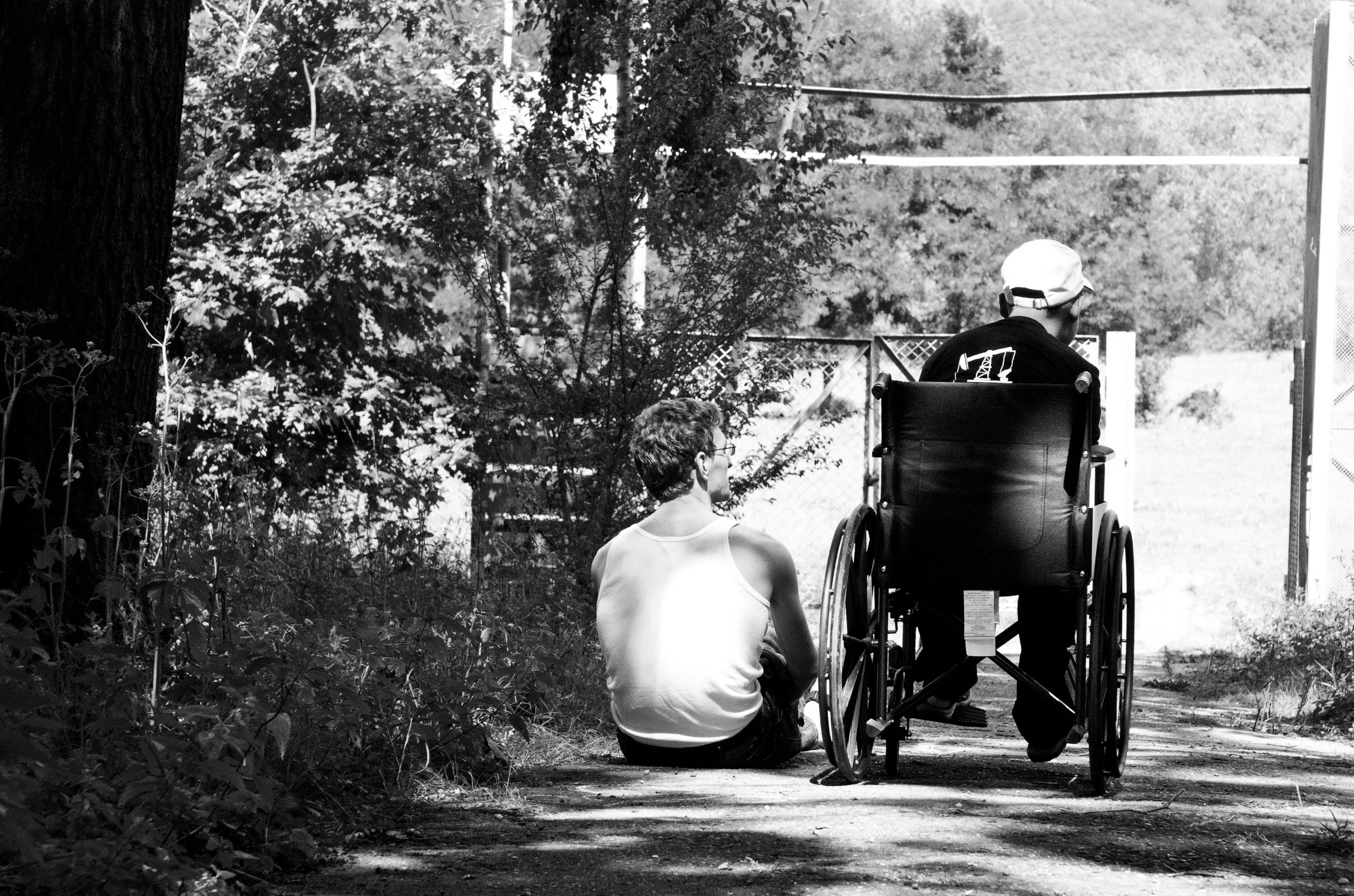
Love in a World Built on Exploitation: Caring in the House of Capital
From unpaid domestic labor to the church, the care that keep us alive is never free from the structures of power in which it takes place.

From unpaid domestic labor to the church, the care that keep us alive is never free from the structures of power in which it takes place.

At its core, what we are lacking is a power analysis—a clear, honest account of who holds power, how they wield it, and at whose expense. Without this analysis, we are left to blame ourselves for the conditions we live in: economic precarity for the working majority, escalating threats to civil rights based on gender, sex, and race, and the climate crisis that threatens our collective future.

Kendall Gunter reviews Lee Edelman’s Bad Education, asking if queer theology provides a better response for how to love the world.

Christine Emba’s recent book attempts to diagnose the malaise of contemporary sex culture. But her persistent avoidance of queer experience and theory, as well as an insufficient analysis of capitalism, thwarts her attempt at a new sexual ethic beyond consent.
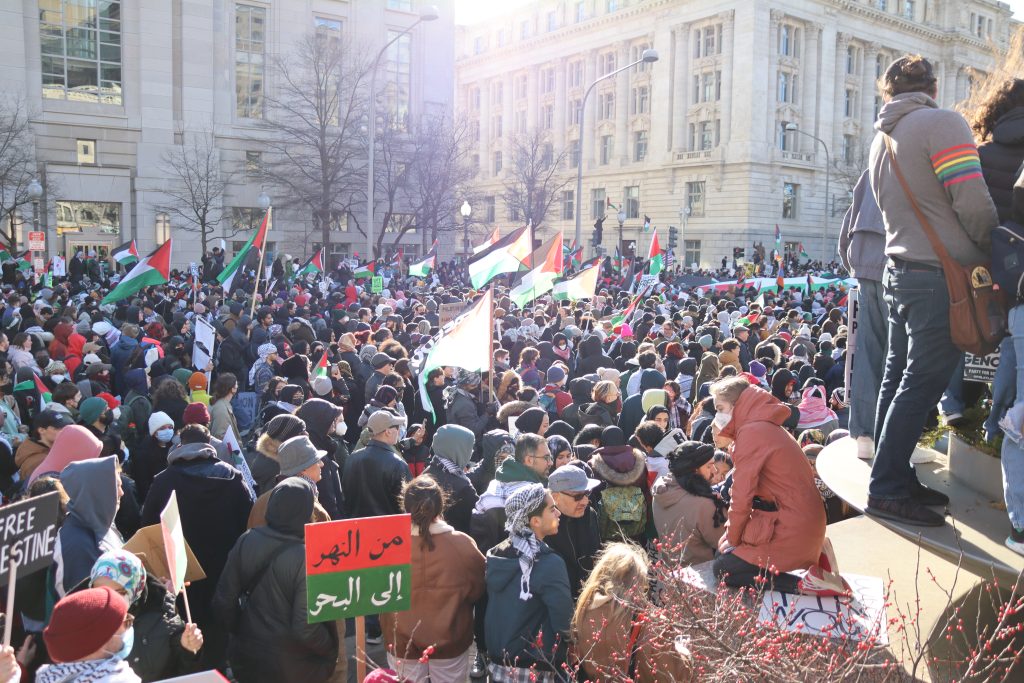
Mennonite pastor Jay Bergen, subject of TikTok scrutiny, reflects on being arrested for Gaza solidarity and how faith-based direct action is reshaping religious resistance to US-backed violence in Palestine.
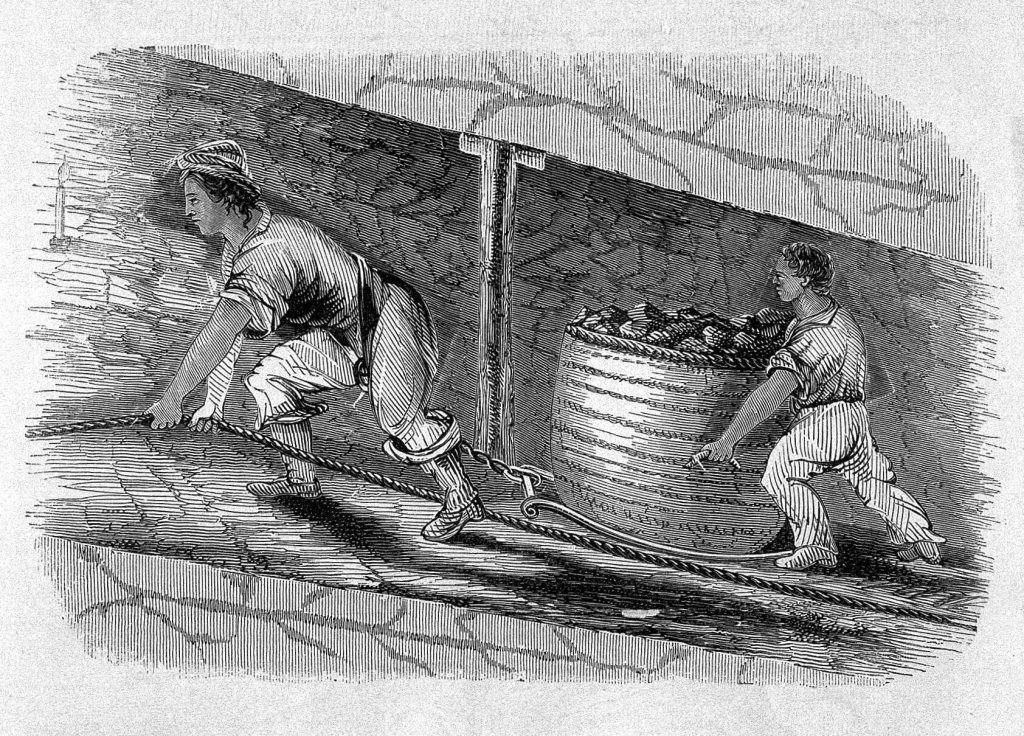
In an age when capitalism defines virtue as profit, Tawney offers a forgotten moral language and creed for a left that has lost faith in both religion and justice.
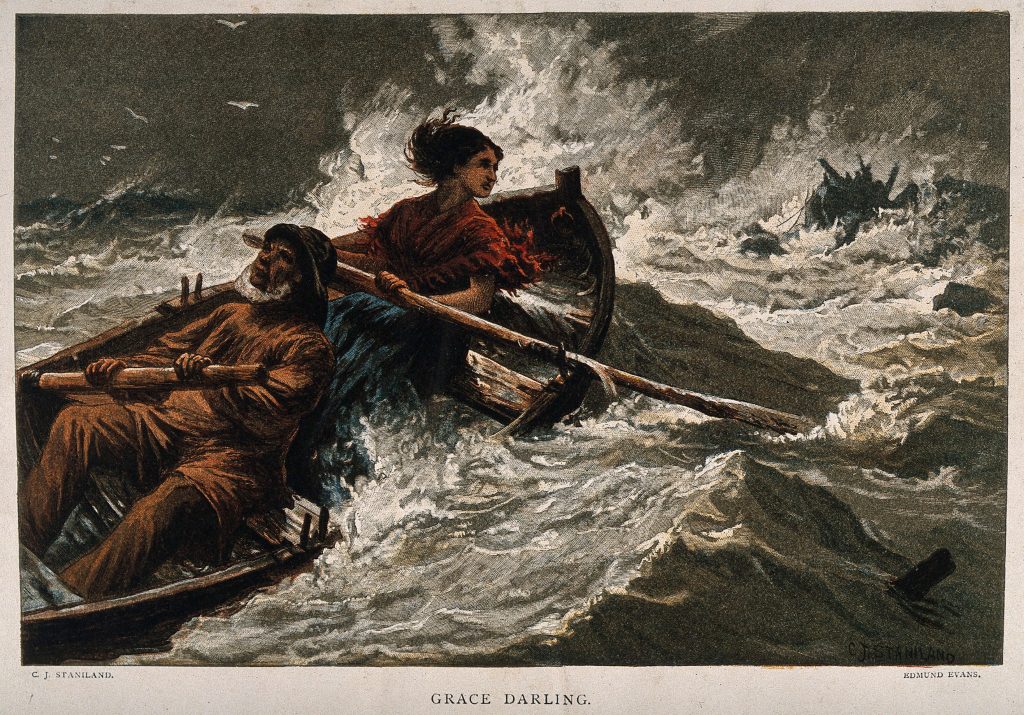
In Melville and James, Kuiper uncovers a shared vision of radical democracy and a spiritually infused socialism rooted in both nature and imagination.

Colton Bernasol interviews Cynthia Moe Lobeda on the “Building a Moral Economy” book series, discussing the damaging effects of capitalism and the religious resources needed to imagine a moral economy.

Mental health practitioner Gabes Torres reflects on the desire for spectacle in social change and the need for grassroots organizing to embody practices of listening, rest, and collective care.
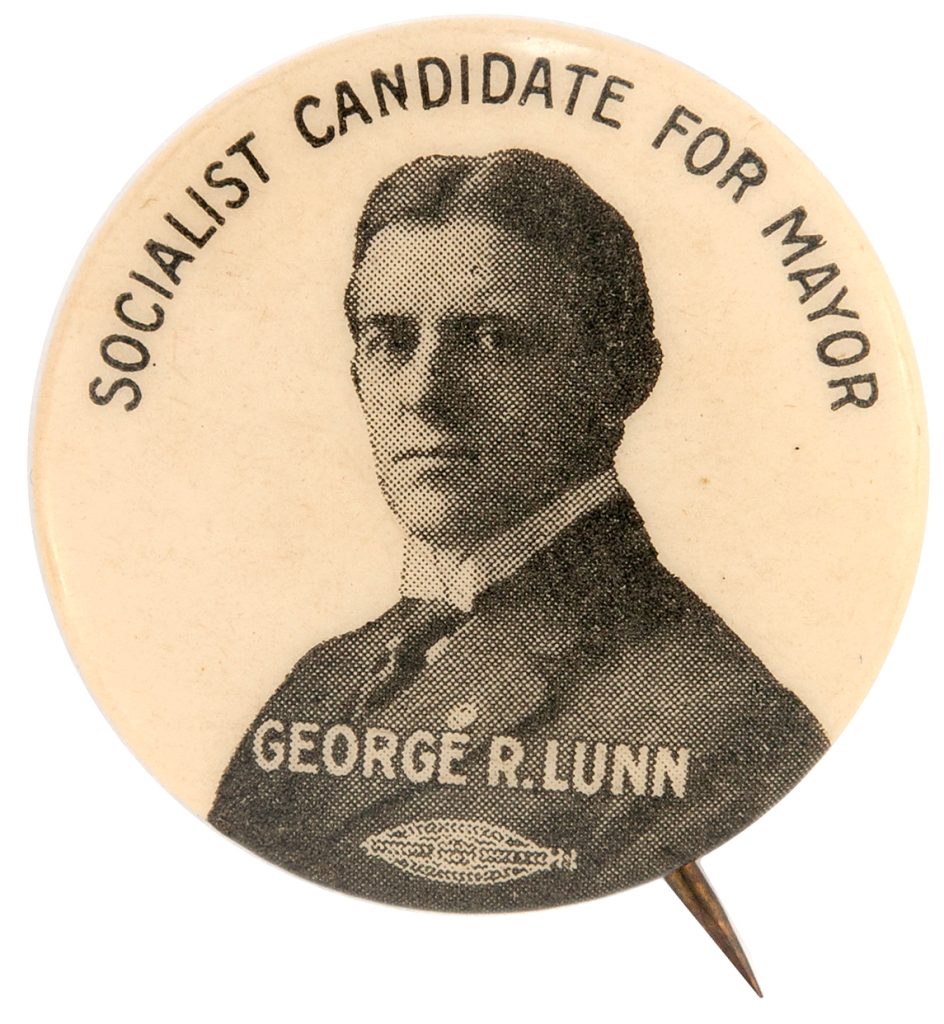
New York’s first socialist mayor, George R. Lunn, sought to put “Christianity applied” into practice at the city level.
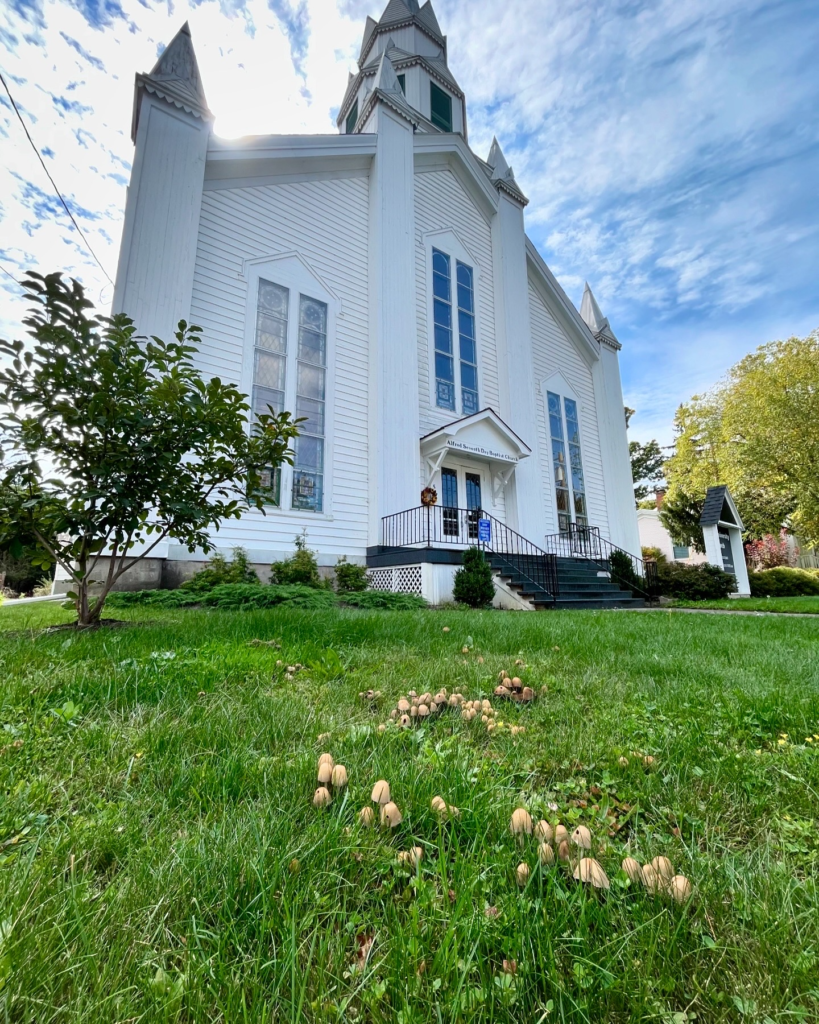
Roberto Che Espinoza, a Trans activist, theologian, and pastor reflects on what Alfred, New York, has taught him about following Jesus at the end of the US empire and amid the political crises of a second Trump presidency.

The road to beating Trumpism and displacing failed liberalism lies through a rebuilding of multiracial working-class solidarity.

Matt McManus engages the ambition and omissions in Kevin Vallier’s All the Kingdoms of the World: On Radical Religious Alternative to Liberalism.

Filipino hip-hop albums Kolateral and Walang Panginoon ang Lupa embody prophetic art, confronting fascism, capitalism, and empire.

Rev. Dr. Michael Woolf confronts Trump’s deportation regime by embracing the sanctuary movement as a faithful stand against state violence and moral injury.

Matt McManus considers Habermas’s optimistic vision for modern philosophy in the final volume of “Also a History of Philosophy.”
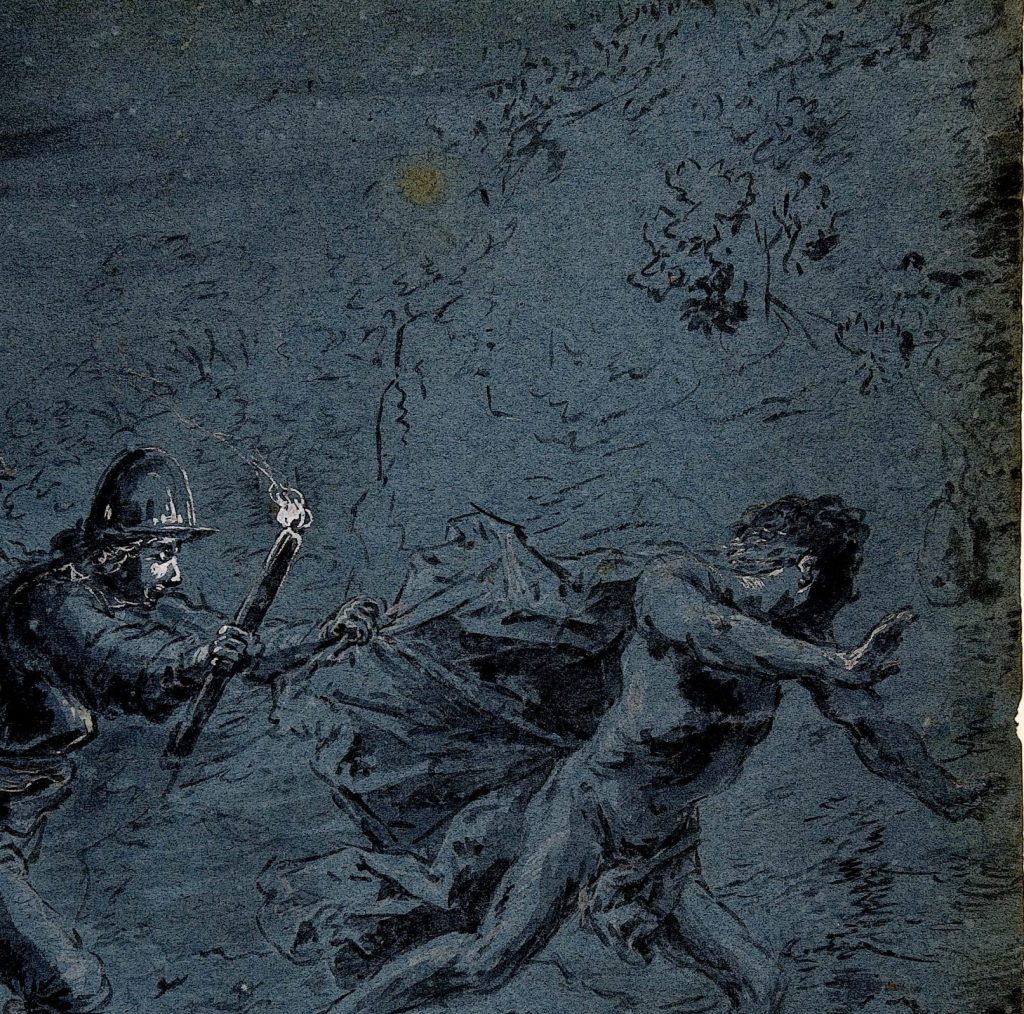
Embodying a sanctuary imagination means being accountable to those impacted by the anti-LGBTQ+ agenda of the Trump regime.
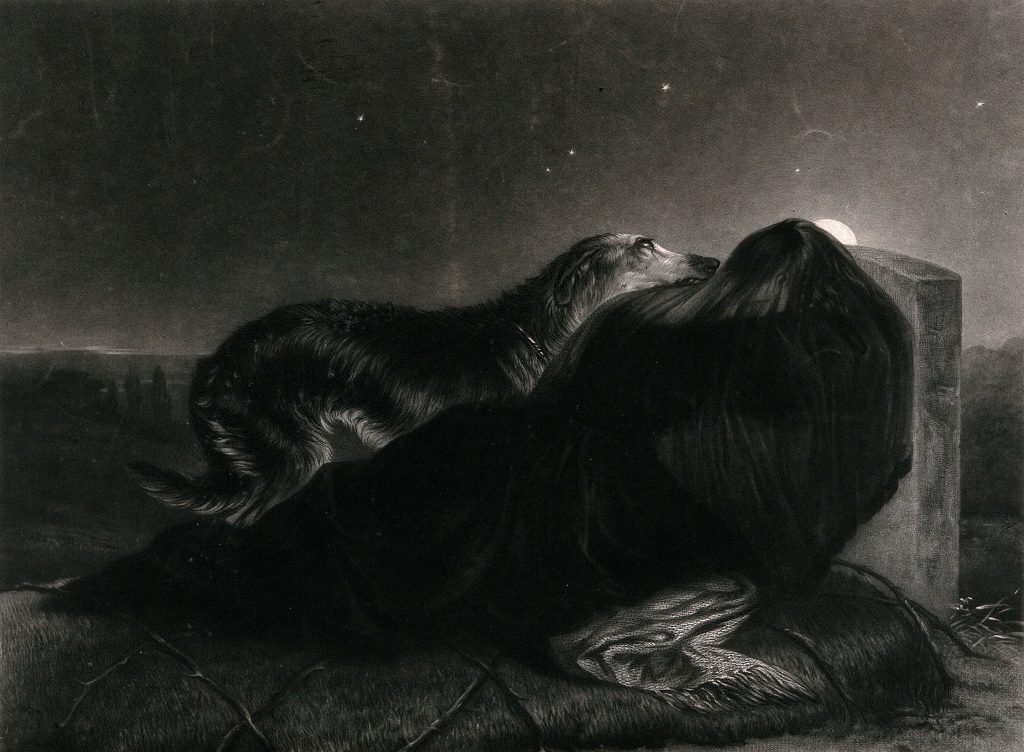
How Dorothee Soëlle’s theology of suffering helps draw out mourning’s political possibilities.

An Interview with Matthew McManus on his most recent book and the virtues of the liberal socialist tradition.